

How United Way and East Tennessee employers are addressing the childcare gap for ALICE workers
In Knox County, the average cost of childcare now rivals in-state tuition at the University of Tennessee. For families living paycheck to paycheck, this lack of affordable care has far-reaching consequences—from straining already tight budgets to pushing working parents, often mothers, out of the workforce.
In Tennessee, roughly 30 percent of households live above the poverty line but still do not earn enough to cover basic expenses—a group known as ALICE: Asset-Limited, Income-Constrained, Employed (ALICE). ALICE workers staff hospitals, nursing homes, retail shops, warehouses, restaurants, and other vital businesses.
When workers miss shifts or leave the workforce because of childcare challenges, employers and the broader community also bear the cost.
“A lack of affordable childcare creates a lot of employee turnover within a company, and that’s not good for anybody else that works in that company. We miss those people’s brainpower,” says Amy Nolan, Vice President of Regional Enhancement at the Knoxville Chamber of Commerce. “You’re also talking about participation in the economy.”
ALICE workers are also particularly vulnerable to what is known as the benefits cliff. As workers’ paychecks grow—often after earning new credentials and developing new skills—their incomes surpass the eligibility thresholds for public assistance, cutting them off from essential housing and childcare support.
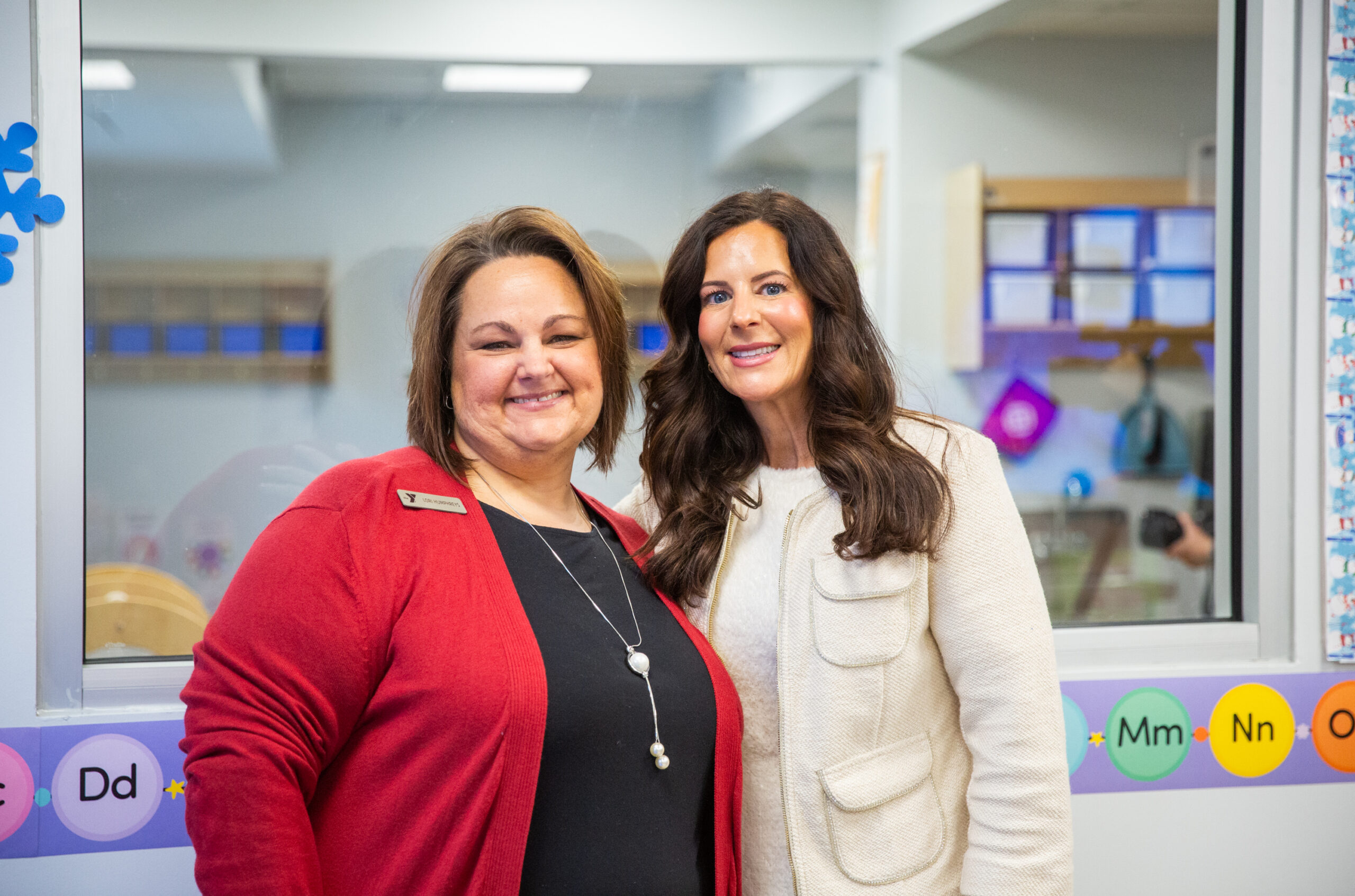
“Having done childcare for 30-plus years in my career, I see so many families struggle with that benefits cliff,” says Lori Humphreys, VP of Child Care Services at the YMCA of East Tennessee. “For years, we at the YMCA championed the work of: How do we help families get past that hurdle—past that gap between receiving support and not receiving support—and truly become self-sustainable? We really looked at how to make that happen for early learning, especially in the infant-toddler realm where it’s so expensive.”
Access to affordable childcare at work
With a coalition of businesses and community partners—chief among them the YMCA—United Way of Greater Knoxville (UWGK) is taking action to help fill the childcare gap for ALICE workers. Through its RISE United grants, UWGK aims to establish subsidized childcare “micro-centers” at workplaces for children ages 6 weeks to 5 years, prioritizing childcare deserts—areas with too few licensed childcare slots for the number of children who need care.
The YMCA, which is staffing and managing these centers, opened the first site in 2024 at Sarah Moore Green Elementary School in East Knoxville, serving the children of ALICE workers including teaching assistants, aides, and single parent educators.
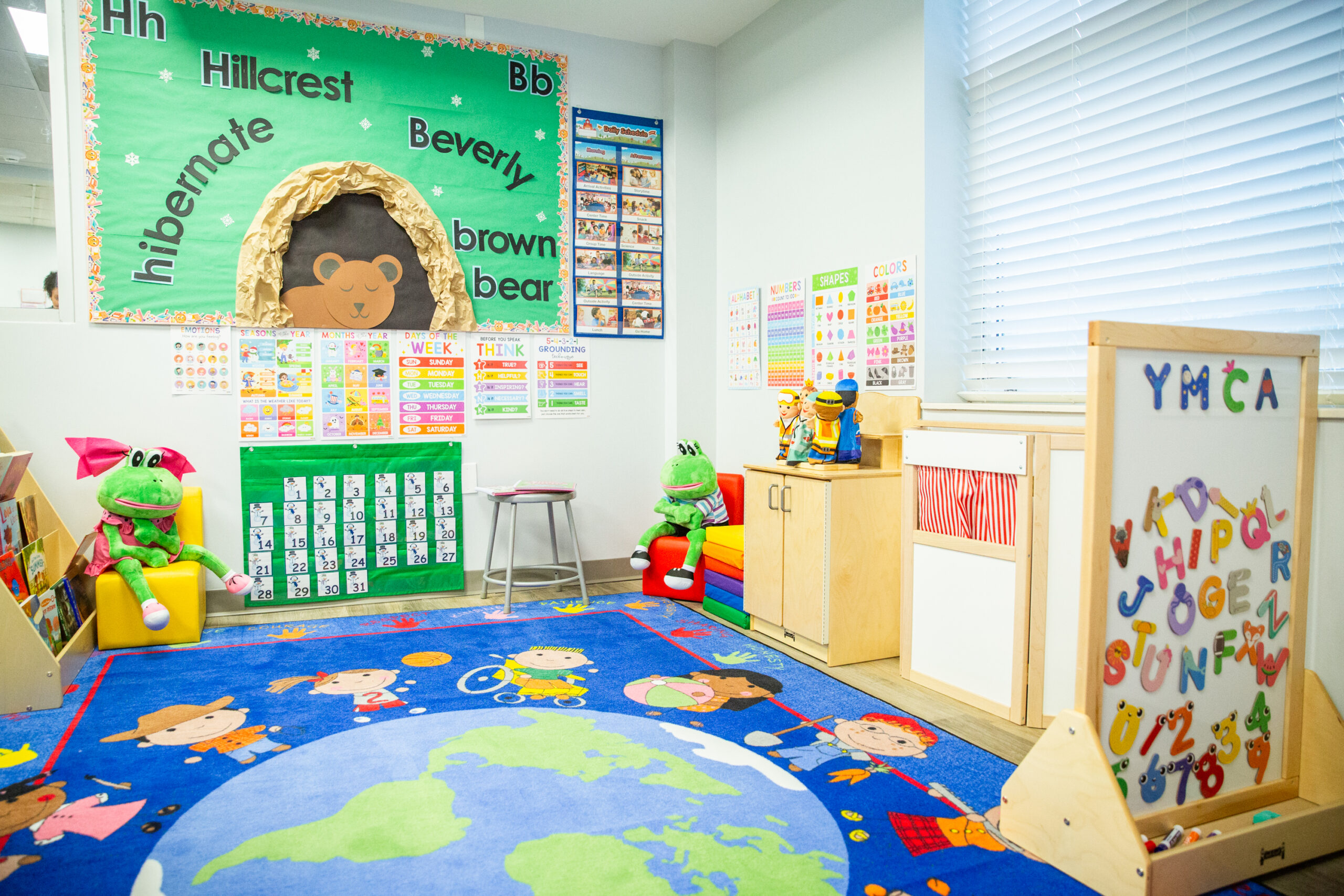
The second center opened in December 2025 at Hillcrest Healthcare’s Beverly Park Place nursing and rehabilitation facility in North Knoxville. The center will serve 24–28 children of Hillcrest employees, including cleaning staff, administrative staff, certified nursing assistants, as well as ALICE community members. By offering subsidized tuition, onsite care, and flexible hours that align with staff schedules, the center addresses the core childcare challenges of affordability and accessibility. It also supports employee retention and satisfaction, which is a win-win for workers and their employer.
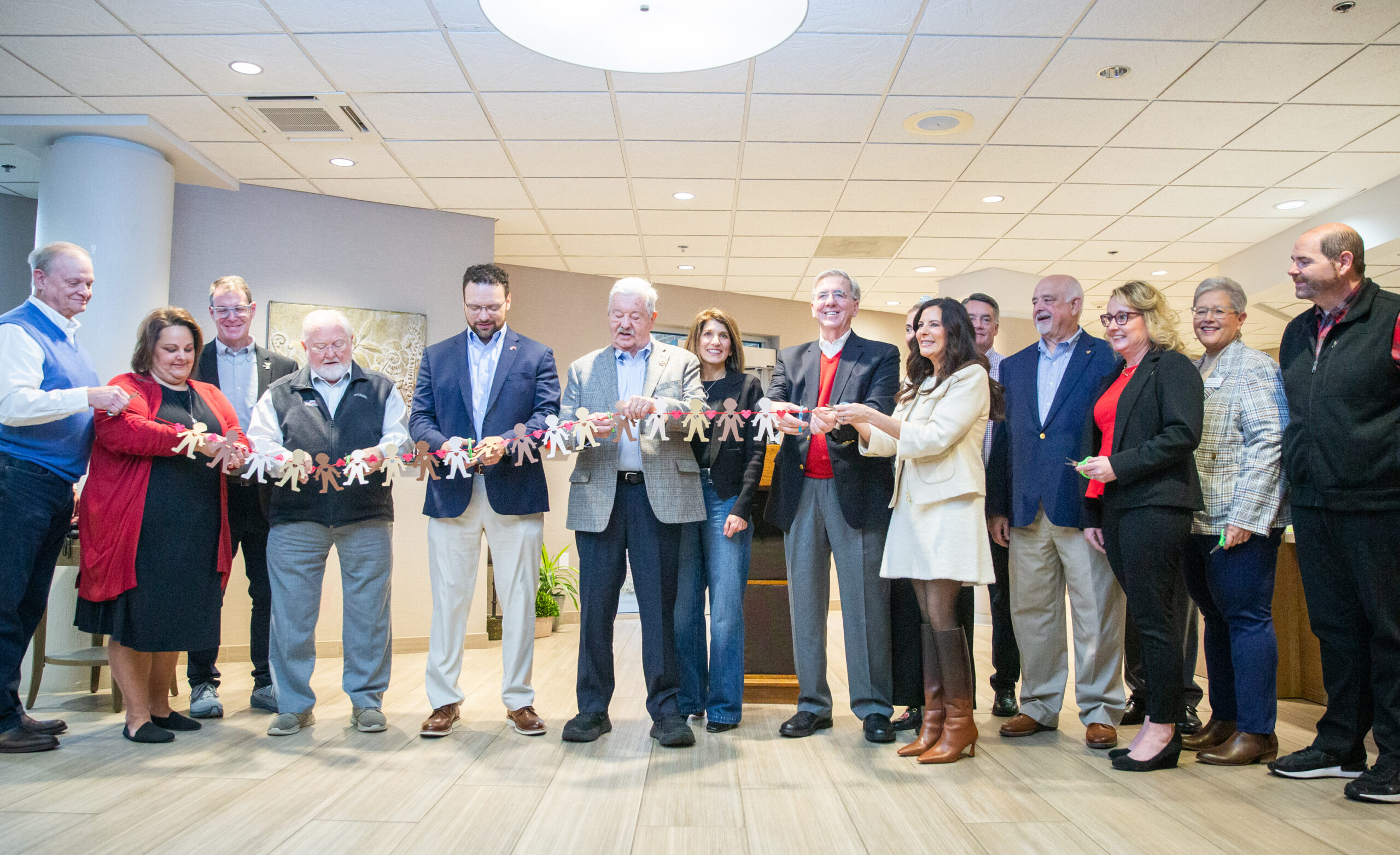
“We saw a need in the community and we rose to it,” said Lavonda Cantrell, VP of The Hillcrest Healthcare Foundation. “This was about Hillcrest; this was about our own workforce development; but this also became about the community.”
These microcenters are part of a larger strategy of United Way’s Alice at Work initiative, which partners with employers on strategies that build the resilience of ALICE employees and lead to business benefits in the process: less turnover, increased retention, and higher engagement. Through the Alice at Work coalition, which includes both Hillcrest and YMCA, local employers are piloting new strategies to support their workers through better benefits and compensation, flexible scheduling, professional development, financial wellness, and other workplace resources. UWGK’s Alice at Work partners employ 16,000 workers across East Tennessee.
Making the model work
When designing the new center, the teams at Hillcrest and the YMCA thought creatively about how to meet the specific needs of Hillcrest’s ALICE workers and build a sustainable partnership. One strategy that emerged was workforce sharing. For example, a Hillcrest employee pursuing a CNA degree through Hillcrest’s Mason Center for Healthcare Education while working part-time could also be employed part-time by the YMCA in the childcare center, boosting her income while she completes her degree.
Hillcrest, which already provides meals for its residents, will also supply meals to the micro-center at a reduced cost. Hillcrest residents and children at the center can participate in intergenerational programming—music, gardening, walks—creating valuable social and cognitive experiences for both groups and offering a model for other senior living communities.
“It takes the approach of: we’re coming at this as a team, and we’re going to brainstorm what works best,” explained Lori Humphreys of the YMCA. “What works for Hillcrest may not be the same thing that works for a hospital employer or an industrial park employer. It’s about figuring out what’s mutually beneficial for our community and our workforce.”
While the Hillcrest center is tailored to the needs of its employees, it also serves as proof of concept for other employers: investing in ALICE workers with supports like onsite childcare is not only feasible—it’s smart business.
“It really does speak volumes,” said Lavonda of the Hillcrest Healthcare Foundation. “It says we care about you as an individual. We care about you as an employee, and we want to invest in you and your family. The return on that investment is going to be something that will be felt for generations to come.”