Shanae (Caity) Southall spent five months talking to families in her community about how they were managing rising food prices, especially those receiving SNAP benefits. Among the households she surveyed, 67% reported their benefits did not cover their monthly groceries. The average household receives $261 in monthly benefits, while food costs range from $493 to $618.
Food insecurity is too often reduced to a set of numbers. The more telling picture is in the decision to skip breakfast so their kids can eat. It is in limiting what groceries they buy because two bags are all they can carry on the bus.
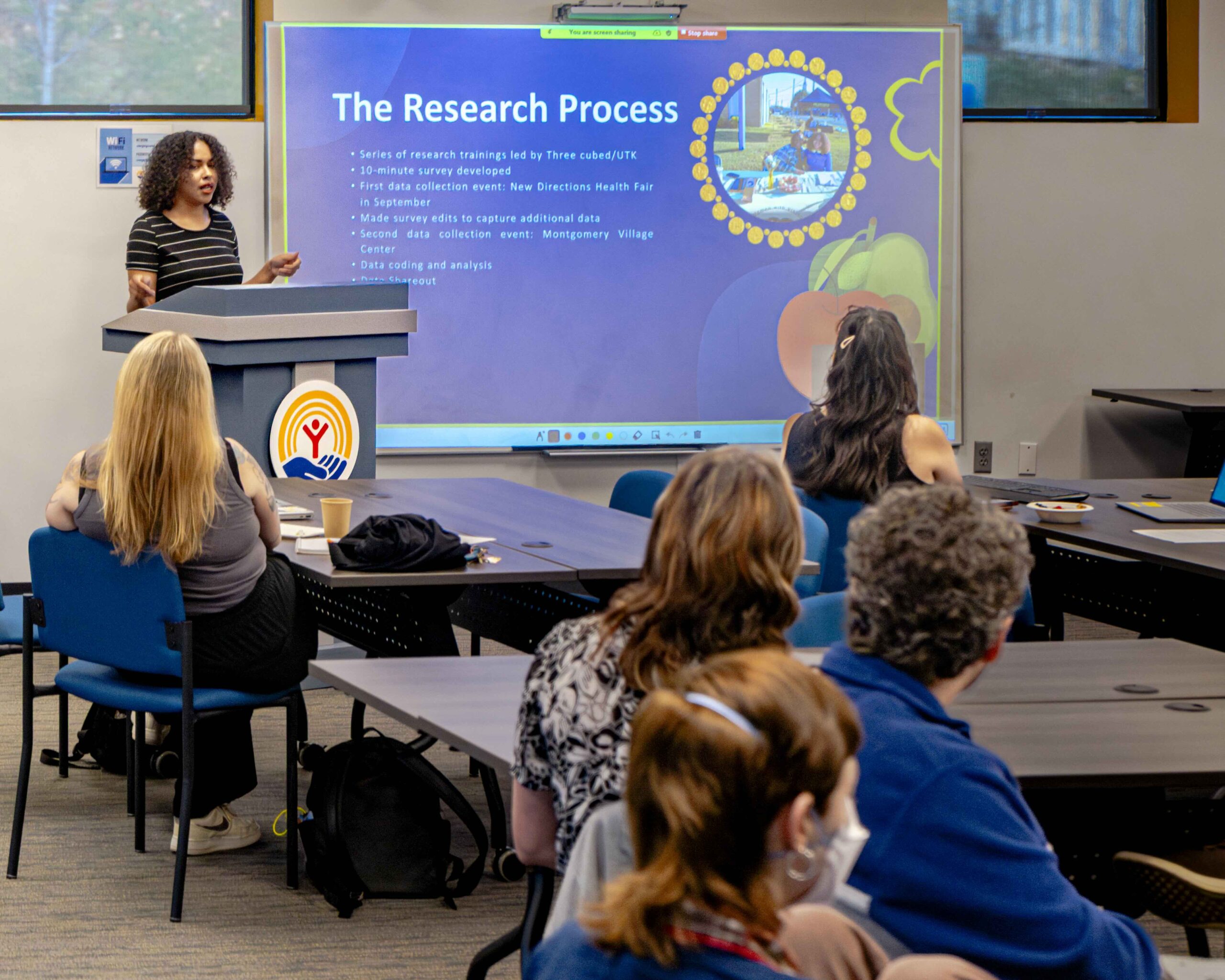
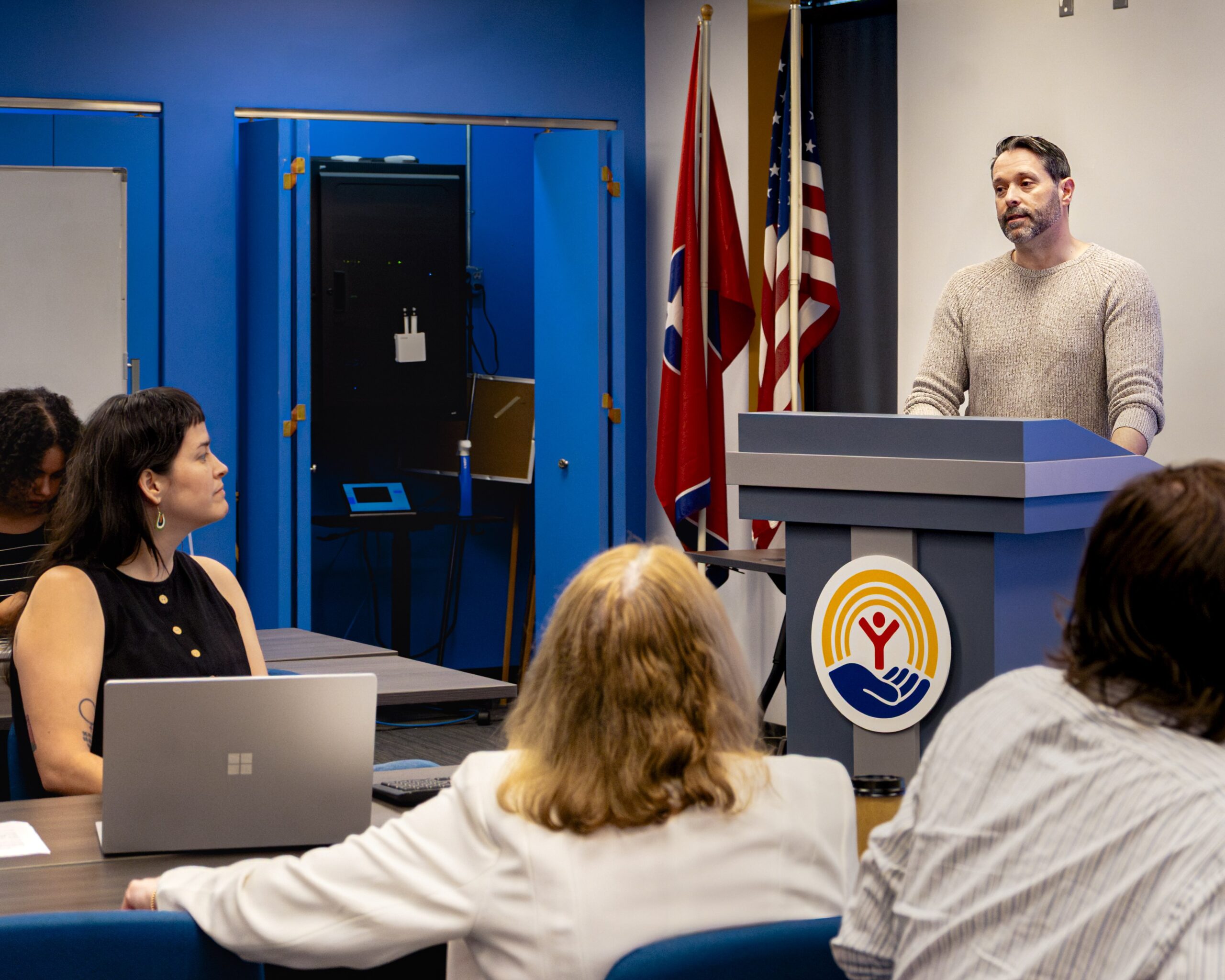
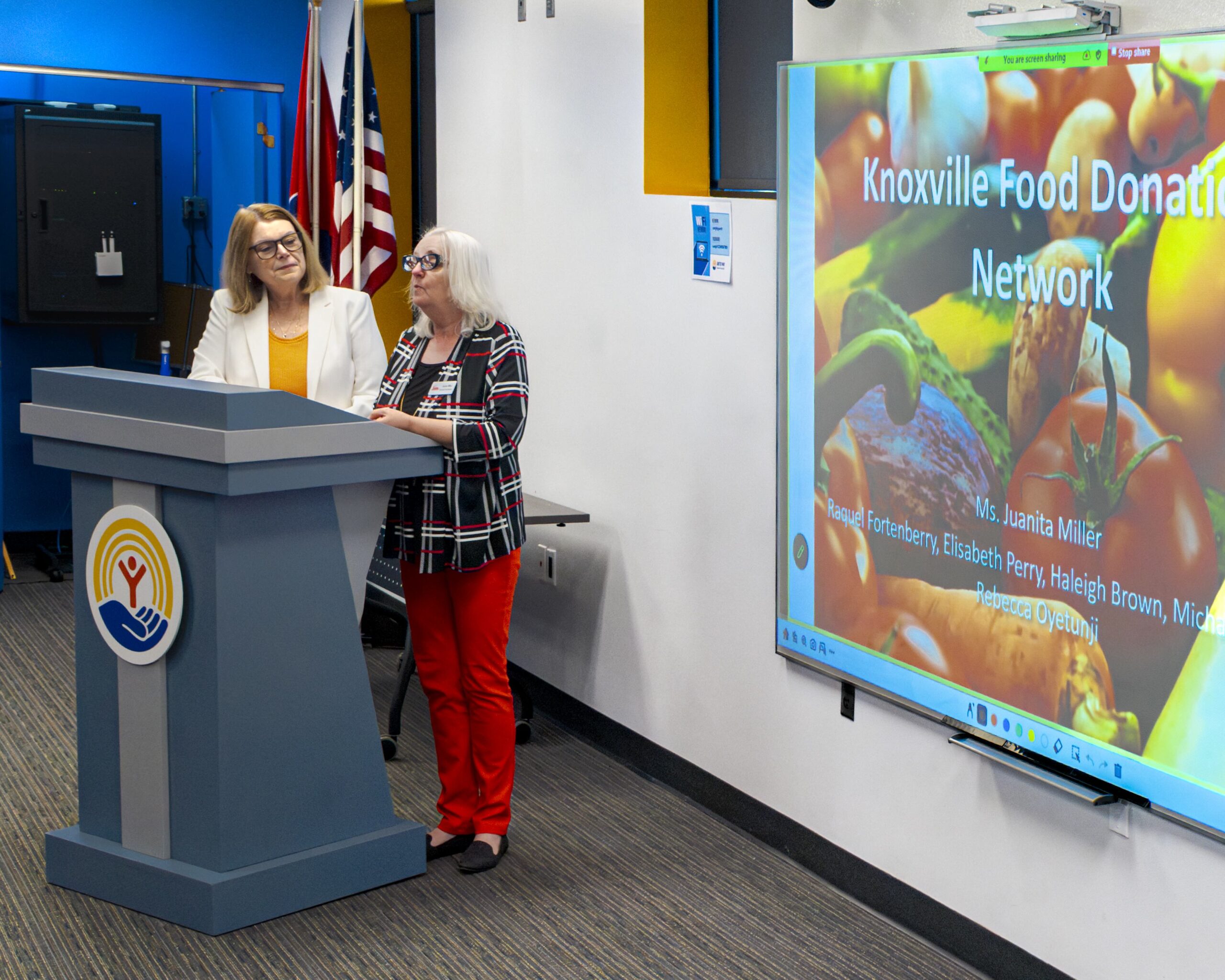
Southall is one of five Data Ambassadors conducting hyper-local research through a grant to United Way of Greater Knoxville from the Robert Wood Johnson Foundation. Earlier this month, the Data Ambassadors presented their findings as part of a community share-out with stakeholders from local government, community organizations, the University of Tennessee, and the City of Knoxville, including Councilmembers Karyn Adams (District 1) and Denzel Grant (District 6).
Listening First
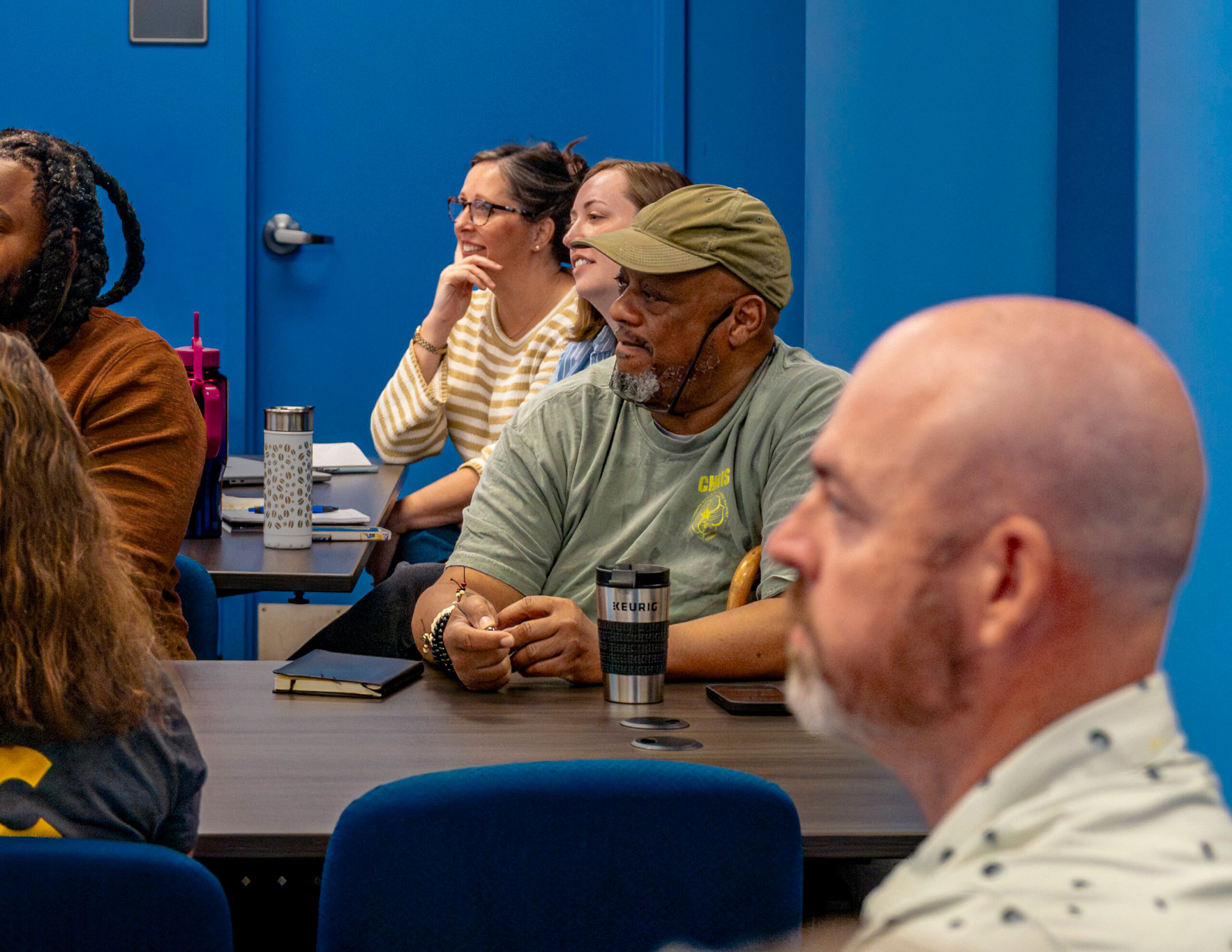
The Data Ambassadors, Jasmine Bryant, John Camp, Jaleria Rivera, Shanae (Caity) Southall, and Juanita Miller spent time across the communities they serve, gathering insights from neighbors. Their shared goal was to better understand how people experience food access and how our community can improve access, affordability, and quality.
With support from Dr. Marsha Smith and the Three3 research team, they knocked on doors, sat at tables, visited pantries, and hosted community dinners to understand how people navigate Knoxville’s food system.
Southall learned quickly that the most valuable research would come from conversation, not paper.
“An in-person survey provided a dialogue that an online version could not,” she said.
At one tabling event, she noticed that some community members chose not to participate in a written survey. In conversation, it became clear that the format was not accessible to everyone. By shifting to conversation, she was able to include voices that otherwise would have been missed.
What the Data Revealed
Barriers to food access affect those living below the Federal Poverty level and ALICE (Asset Limited, Income Constrained, Employed) households alike. Those experiencing food insecurity include working families, nurses, firefighters, and police officers, fixed-income seniors, and college students, all navigating the same rising costs and diminishing benefits.
Across their work, the ambassadors saw a consistent pattern. Every neighborhood has assets: people who show up for each other, organizations stretching their resources, and businesses willing to help. What stands in the way is less about willingness and more about coordination. The remaining barriers are practical and solvable: transportation, pantry hours, language access, and administrative requirements.
Food insecurity is shaped by challenges that intersect differently across neighborhoods, from South Knoxville to Mechanicsville to Bearden. The best solutions address the unique needs and resources of that neighborhood.
Households Southall surveyed rely on food pantries an average of six times a month, reflecting both community need and community trust in those resources. Nearly half experienced a change in benefits, increasing their reliance on community-based food organizations that are already doing important work.
Jasmine Bryant and John Camp visited pantries and found dedicated staff and volunteers committed to their communities. They also identified practical opportunities to make those spaces more accessible. Expanded hours, multilingual signage, and a more welcoming entry experience could meaningfully increase the number of neighbors those organizations are able to serve.
Juanita Miller identified similar opportunities further up the supply chain. Through interviews with grocery stores, an urban demonstration farm, and a food bank, she found that organizations across the city are eager to donate nutritious food. Strengthening cold storage capacity, improving transport coordination, and clarifying safety requirements would allow those resources to reach far more families.
“If we work together, we can help so much more,” Miller said.
Rethinking Community Food Spaces
Bryant and Camp’s research identified something that community members named consistently: dignity. People are not looking for charity. They are looking for access to healthy food in an environment that treats them as neighbors, not recipients.
Their findings pointed toward shifting the focus of food pantries toward community hubs where food is available alongside other resources, where the model feels less transactional and more connected to the life of the neighborhood. This is especially important in planning, zoning, and codes.
Jaleria Rivera, a cultural strategist and founder of SpaceCraft, Knoxville’s first arts studio co-op, took that idea and tested it. She hosted a zero-waste community dinner, bringing together artists and food system organizers to explore whether creative spaces could serve as food recovery hubs. 62% of individuals at the dinner were involved in food recovery, redistribution, or food access programs. The artists and organizers who gathered found that galleries and studios could serve that same role. These are places where neighbors already come together, and surplus food can reach the people who need it.
Moving Toward Long-Term Solutions
“These are community ideas that United Way of Greater Knoxville has built bridges to. Our job is to support these community ideas, not be barriers to success,” Kimberly Pettigrew, Director of Healthy Communities at UWGK.
In 2025, UWGK deployed $200,000 in emergency food access funding to support food distribution during the federal shutdown. United Way invited 16 eligible organizations to apply for grant funding; 10 responded, and nine received funding. Wesley House Community Center was a grant funding recipient. Wesley House’s Executive Director, Porschia Pickett, shared. “This funding will allow Wesley House to reach more households, strengthen our response efforts, and ensure that our essential services continue without interruption.”
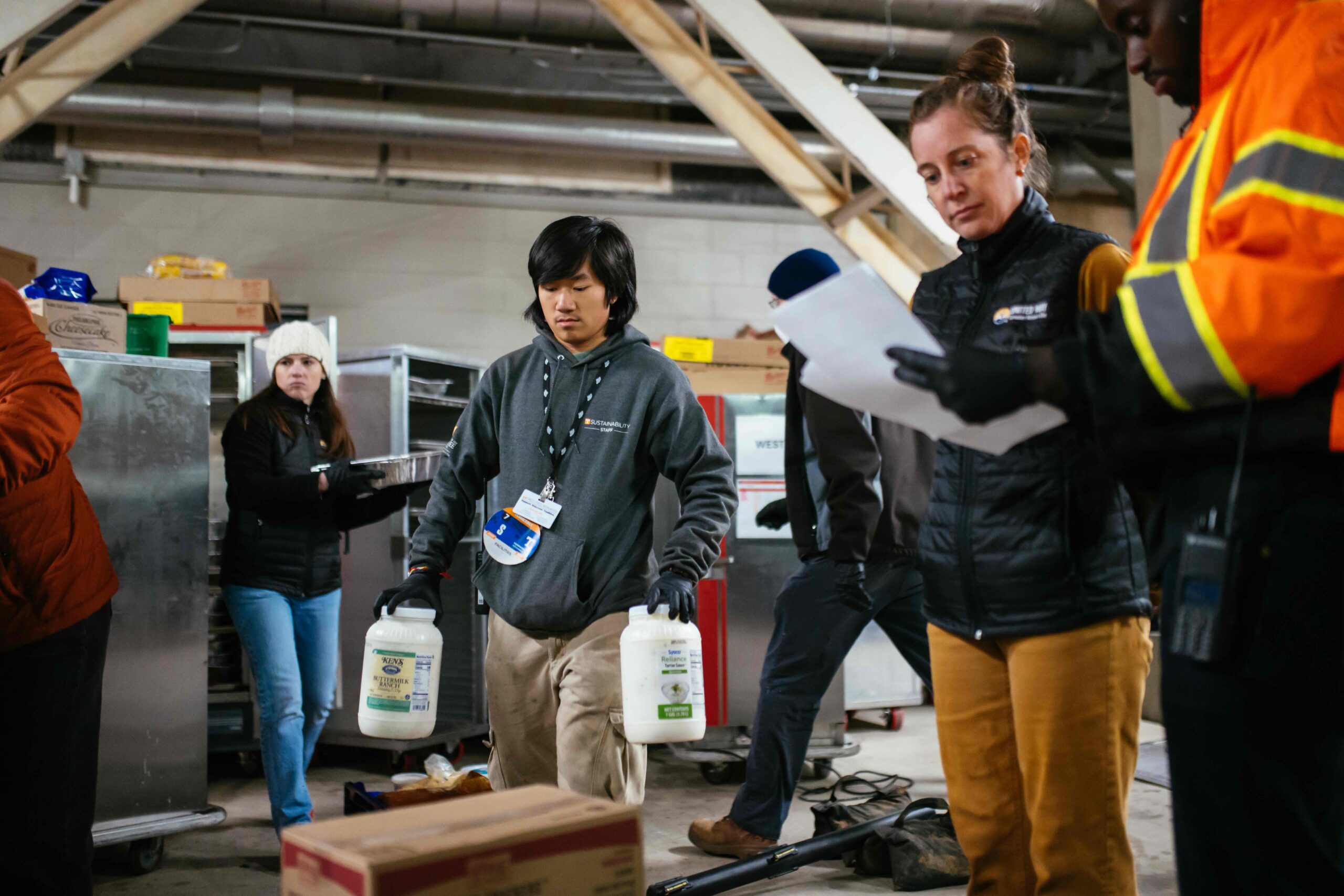
In the same year, UWGK worked alongside partner agencies and the University of Tennessee to implement a food recovery process that provided 34,951 pounds of food to the community.
When the people affected by an issue help shape the solution, the results fit better. By aligning data, partners, and community insight, UWGK is helping move these ideas from conversation into action and supporting solutions that reflect how people experience food access.